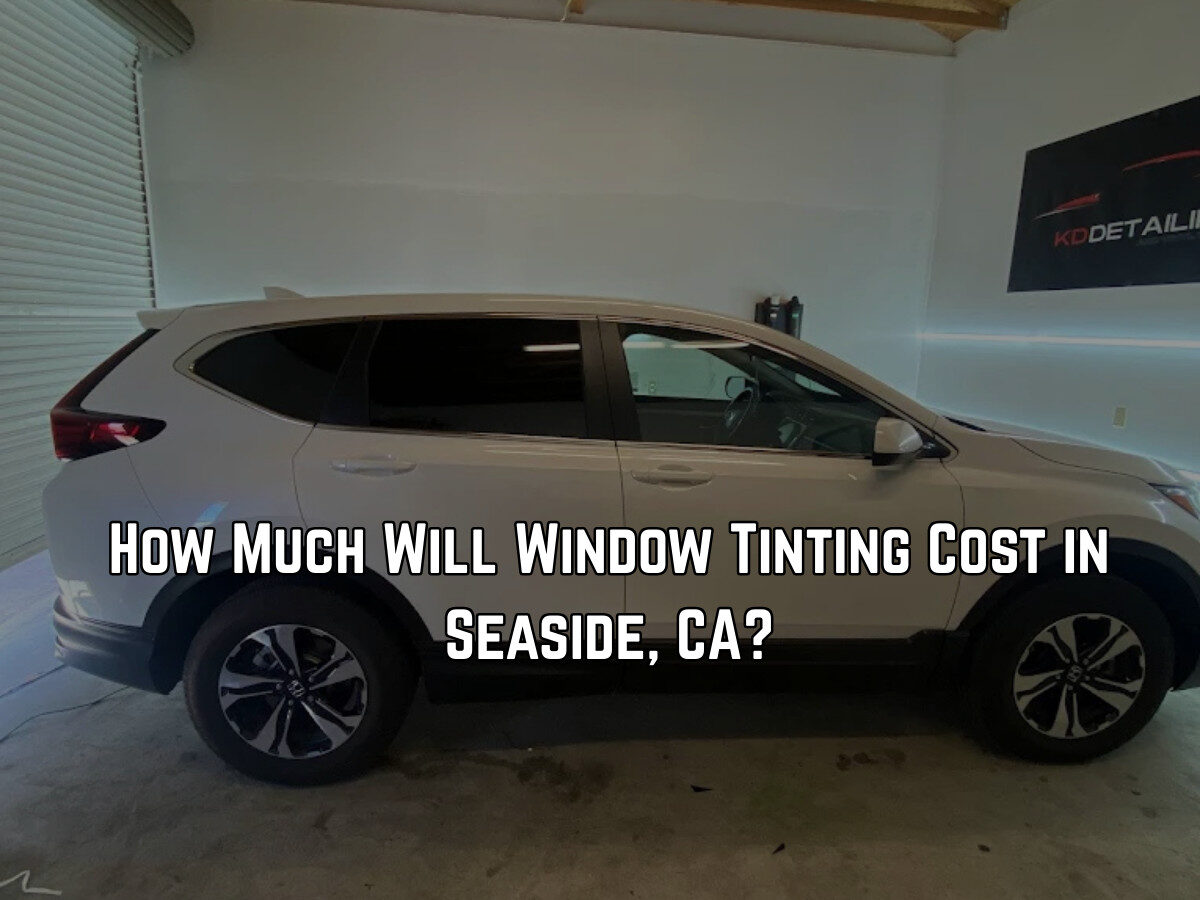
If you’re looking into window tinting in Seaside, CA, you’re probably wondering what it’ll run you. The short answer? Most residential window tinting projects in Seaside typically range from basic to premium installations, with costs varying based on window size, film quality, and complexity. Commercial and automotive tinting follow different pricing structures depending on square footage and specific needs.
Key Takeaways
- Window tinting costs depend on multiple factors: type of film, window size, installation complexity, and property type
- Residential tinting typically costs less per square foot than automotive or commercial applications
- Film quality significantly impacts both upfront cost and long-term value
- Local climate conditions in Seaside make certain film types more practical
- Professional installation costs more initially but prevents costly do-overs
What Actually Determines Window Tinting Costs?
Here’s where things get interesting. Most people think window tinting is just slapping some film on glass and calling it a day. But there’s way more to it than that.
Film Type and Quality
The film you choose matters more than you’d think. Basic dyed films sit at the lower end of the spectrum, while ceramic and nano-ceramic films command premium prices. Why? Because they’re not just blocking light—they’re managing heat, UV rays, and even radio frequencies in some cases.
Ceramic films use non-metallic particles that won’t interfere with your phone signal or GPS. That’s particularly useful if you’re tinting a car. For homes, these films can reject up to 80% of infrared heat while keeping your ocean views crystal clear.
Window Size and Quantity
This one seems obvious, but it’s worth breaking down. A standard residential window might measure 3×5 feet. Compare that to floor-to-ceiling glass doors or those gorgeous bay windows some Seaside homes have. More glass equals more material, more labor, and yes, more cost.
Commercial properties often have dozens of windows. Some businesses get volume discounts, though this varies by contractor. I’ve seen some places with 50+ windows get better per-window rates than someone tinting just five.
Installation Complexity
Ever tried to tint a curved window? It’s not fun. Some windows are straightforward—flat, accessible, easy to work with. Others? Not so much.
Second-story windows require ladders or scaffolding. Skylights need special attention because they face direct sun all day. Older windows with weathered frames might need extra prep work. Each complication adds time, which adds cost.
Breaking Down the Cost Components
Let’s get specific about what you’re actually paying for when you hire a professional.
Materials
Window film itself represents roughly 30-40% of your total cost. This includes the film, application solution, and any adhesives or sealers needed. Higher-end films cost more because they last longer and perform better. A quality ceramic film might cost three times what a basic dyed film runs, but it’ll also last twice as long and work considerably better.
Labor
Professional installers bring expertise you can’t fake. They know how to prep surfaces, apply film without bubbles, and trim edges perfectly. Labor typically accounts for 50-60% of your total investment.
Think about it: an experienced installer can complete a standard car in 2-3 hours. That same job might take a DIYer all weekend, and probably won’t look as good. You’re paying for skill, speed, and warranty-backed work.
Additional Factors
Some situations require extra costs. Removing old tint adds to the bill. Special films for historic buildings that need specific aesthetics cost more. If you want patterns, frosted sections, or decorative elements, expect premium pricing.
Residential vs. Commercial vs. Automotive
Different applications have different pricing structures. Here’s how they compare.
Residential Window Tinting
Home windows vary wildly. Single-hung windows are simpler to tint than casement windows. Slider windows fall somewhere in between. Most residential projects take one to two days depending on house size.
Seaside’s coastal climate makes this particularly relevant. Salt air and intense sun create conditions where quality film really matters. Cheap film might peel or bubble within a couple years near the ocean. Better film lasts 10-15 years or more.
Commercial Window Tinting
Business properties often need specialized films. Retail stores might want glare reduction without darkening storefronts too much. Offices prioritize heat rejection and privacy. Restaurants sometimes need decorative frosted sections.
Commercial projects usually happen during off-hours to avoid disrupting business. Weekend or evening installations might cost slightly more. But the energy savings often pay back the investment within a few years—some businesses see 15-20% reductions in cooling costs.
Automotive Window Tinting
Car tinting follows different rules. California has specific laws about how dark you can go on different windows. Front side windows must allow at least 70% light transmission. Back windows and rear windshield can be darker.
Automotive tinting typically takes 2-4 hours for a sedan. SUVs and trucks take longer because they have more glass. Some installers charge by the number of windows; others use flat rates by vehicle type.
What Affects Quality and Longevity?
I think the biggest mistake people make is choosing based solely on upfront cost. That’s like buying the cheapest tires you can find—sure, you’ll save money today, but you’ll pay more over time.
Film Warranty
Quality films come with substantial warranties. Some manufacturers offer lifetime coverage against fading, bubbling, or peeling. But here’s the catch: most warranties only apply if a certified installer does the work.
DIY installation? You’re on your own. Cheap installer using questionable film? Good luck getting warranty service.
Installation Quality
Even the best film performs poorly if installed incorrectly. Bubbles, creases, and gaps all reduce effectiveness. Proper surface prep matters too—dust, oils, or moisture trapped under film cause problems down the road.
Professional installers use climate-controlled environments and specialized tools. They know how to handle curves, corners, and tricky edges. That expertise directly impacts how long your tint lasts.
Climate Considerations
Seaside’s coastal location creates unique conditions. Salt air accelerates degradation of lower-quality films. UV exposure from reflected ocean light hits windows from multiple angles. Temperature swings between foggy mornings and sunny afternoons stress film adhesives.
Films rated for harsh climates cost more but handle these conditions better. It’s not just marketing—the chemical composition actually differs from standard films.
Getting Accurate Quotes
So how do you figure out what your specific project will cost? Here’s what actually works.
Request Multiple Estimates
Get at least three quotes from different installers. But don’t just compare bottom-line numbers. Look at film brands, warranty terms, and included services. The lowest bid often uses cheaper materials or cuts corners on prep work.
Ask specific questions: What film brand are you using? What’s the warranty coverage? How long will installation take? Do you remove old tint if present?
Understand What’s Included
Some quotes include everything: old tint removal, surface prep, film, installation, and cleanup. Others quote just installation, with extras adding up quickly.
Find out about follow-up service too. What if a bubble appears next week? What about edge peeling in six months? Reputable installers typically offer free corrections for installation defects.
Watch for Red Flags
Extremely low quotes should raise concerns. If someone’s charging half what everyone else quotes, something’s off. Maybe they’re using substandard film, rushing installation, or planning to upsell you later.
Cash-only operations without insurance or licensing? Hard pass. You want someone who’ll still be around if problems develop.
Comparing DIY vs. Professional Installation
I’ve seen people attempt DIY window tinting with mixed results. Some do fine on small, flat windows. Most end up with bubbles, crooked edges, or waste tons of film on mistakes.
True Cost of DIY
Film kits might seem affordable, but you’ll need tools: spray bottles, squeegees, heat guns, cutting tools, and application solution. First-time installers often ruin their first attempt and need to buy more film. Suddenly that “cheap” DIY project costs nearly as much as professional installation.
Your time has value too. Spending an entire weekend fighting with stubborn film adds hidden costs.
When DIY Makes Sense
Small, simple projects sometimes work for DIY. A single bathroom window for privacy? Sure, give it a shot. Your entire house? Probably not worth the hassle.
Automotive DIY rarely works well because of complex curves. Commercial work absolutely requires professionals—building codes and insurance often mandate certified installation.
Maximizing Your Investment
Once you’ve decided to get window tinting, here’s how to get the most value.
Choose the Right Film
Match film type to your specific needs. Pure heat rejection for sun-facing windows? Ceramic film works best. Privacy for bathrooms? Frosted or decorative film fits better. Reducing glare in a home office? Lower VLT films help.
Don’t over-tint either. Some people go too dark and regret it. Test samples if possible, or ask to see examples of different tint levels.
Proper Maintenance
Tinted windows need minimal maintenance, but a few habits extend film life significantly. Wait at least 3-5 days after installation before cleaning—film needs time to cure fully. Use ammonia-free cleaners; ammonia breaks down tint adhesives over time.
Microfiber cloths work better than paper towels, which can scratch film. Clean gently; aggressive scrubbing damages tint edges.
Energy Savings Context
Quality window tinting reduces cooling costs, which matters in Seaside’s sunny climate. According to the International Window Film Association, residential window film can reduce cooling costs by 5-10% in moderate climates and up to 15% in sunny regions.
That translates to real money over time. A home spending $200 monthly on cooling during summer might save $20-30 per month with quality tint. Over ten years, that’s $2,400-3,600 in savings—often more than the initial installation cost.
Related Considerations for Seaside Residents
Living near the coast creates specific concerns worth addressing.
Salt Air and Film Durability
Coastal environments are tougher on everything, including window film. Salt crystals carried by ocean breezes can accumulate on windows, potentially affecting film if not cleaned periodically. Quality films resist this better than budget options.
Local Regulations and HOA Rules
Some neighborhoods have restrictions on window tinting appearance. HOAs occasionally limit how reflective or dark exterior-facing tint can be. Check community rules before installation—getting forced to remove brand-new tint because it violates HOA standards really stings.
Building permits aren’t typically required for residential window tinting, but commercial properties sometimes need them. Your installer should know local requirements.
UV Protection Benefits
Seaside’s sunny weather makes UV protection particularly valuable. Unfiltered UV rays fade furniture, damage flooring, and age interior materials prematurely. Quality window film blocks 99% of UV rays, protecting your belongings and potentially your skin.
I’ve seen rooms where one side faces south, the other north. The difference in fading after five years? Dramatic. The sunny side’s carpet looks years older unless protected.
Finding Quality Installers in Seaside
You’ll want someone who knows what they’re doing and stands behind their work.
Research and Reviews
Online reviews reveal patterns. One bad review might be a fluke; ten similar complaints suggest real problems. Look for mentions of customer service, installation quality, and how businesses handle issues.
Local community groups often share recommendations. People tend to be honest about their experiences when money’s involved.
Certification and Training
Major film manufacturers certify installers who complete training programs. These certifications indicate someone’s invested time learning proper techniques. It’s not a guarantee of quality, but it’s a positive sign.
Ask potential installers about their experience. How long have they been doing this? What types of projects do they handle most? Someone who primarily does automotive work might not be the best choice for a large commercial building.
Warranty and Insurance
Verify installers carry proper insurance. Liability coverage protects you if something goes wrong during installation. Workers’ compensation covers their employees if injured on your property.
Written warranties should clearly state what’s covered and for how long. Verbal promises mean nothing if problems develop later.
Making Your Decision
Ultimately, window tinting costs vary because situations vary. Your specific needs, property type, and quality expectations all influence the final number.
Don’t rush the decision just to save a few dollars. This is something you’ll live with for years. Taking time to research, get multiple quotes, and choose quality materials pays off long-term.
Think about your priorities too. Maximum heat rejection? Crystal-clear views? Privacy? Energy savings? Different films excel at different things. Sometimes paying more for exactly what you need makes more sense than settling for something cheaper that doesn’t quite fit.
The coastal environment here makes this decision more important than it might be elsewhere. Salt air, intense sun, and moisture all test window film durability. Investing in quality now prevents replacement costs later. If you’re curious about related upgrades, ceramic coating benefits and paint protection film advantages offer similar long-term value propositions for vehicle protection.
Window tinting represents an investment in comfort, energy efficiency, and property protection. Understanding what drives costs helps you make informed choices that match your needs and budget. The right tint, properly installed, enhances your space for years while paying for itself through energy savings and preserved interior materials.